Website expansion in progress...prototype coming soon.

How EPI Works
Emotional dynamics are often felt immediately — but rarely documented clearly.
EPI makes those dynamics visible by analyzing how communication unfolds across time, context, and response.
Rather than relying on isolated excerpts or sentiment scoring, EPI surfaces relational structure across message sequences.
Evidence emerges from patterns, not moments.
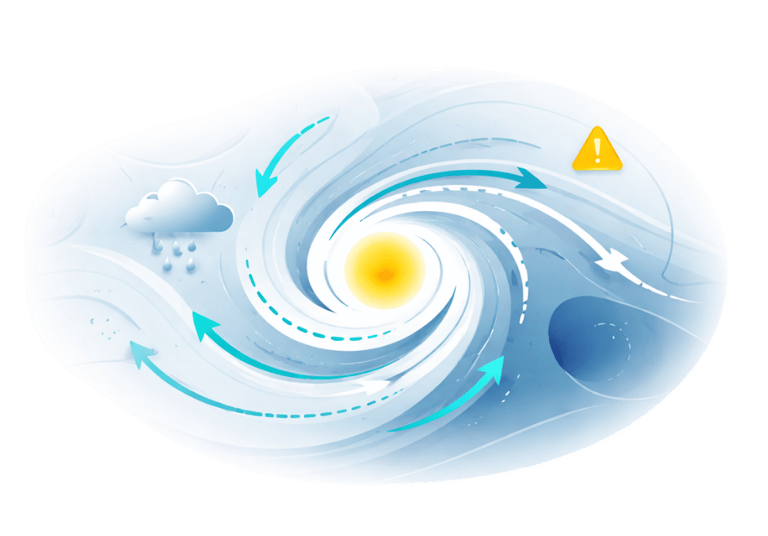
Communication is not a series of messages.
It’s a SYSTEM.
Most tools analyze communication one message at a time.
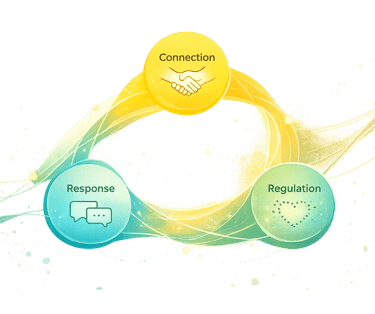
EPI analyzes how emotional signals, responses, and timing interact across sequences.
Meaning is not contained in a single message.
It emerges from how people respond to each other over time.


The Analytical Model
EPI reveals relational structure through three observable layers:
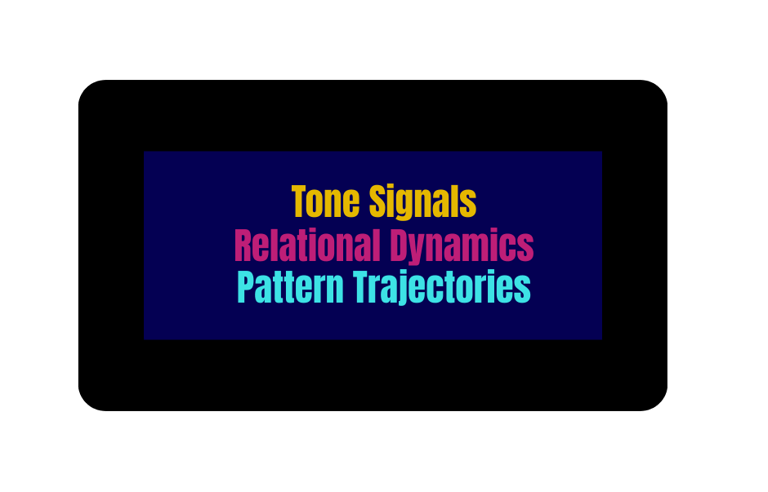

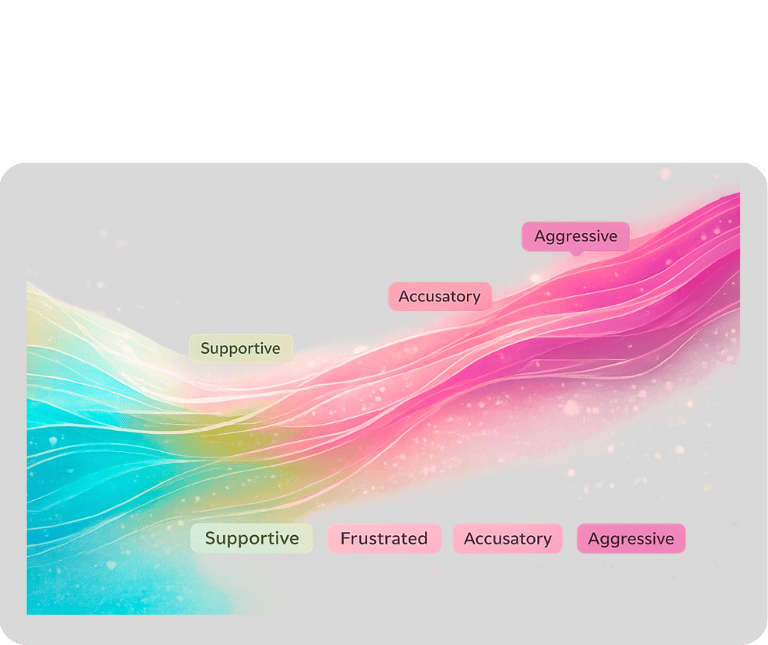
1: Tone Signals
What it looks at: Observable emotional cues expressed through language, including:
support
dismissal
blame
regulation attempts
control or pressure
Key principle:
Tone signals alone do not determine meaning.
Their significance emerges through how they interact with responses and timing.


2. Relational Dynamics
What it looks at: How participants respond to one another across time.
This reveals patterns such as:
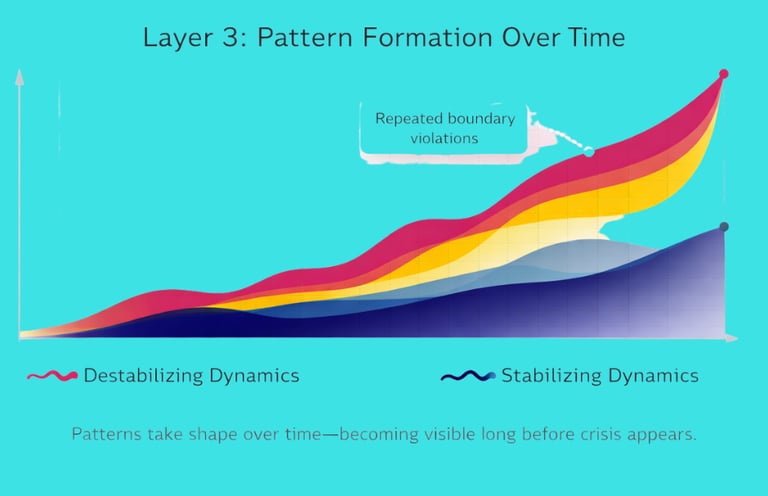
boundary violations
repair attempts
escalation responses
withholding or delay
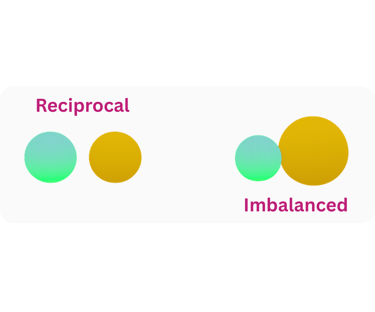
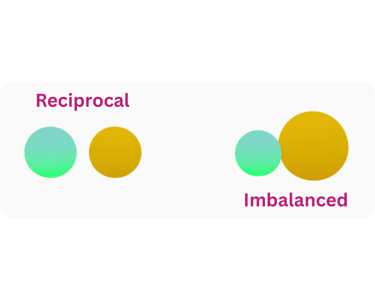
imbalance in emotional labor


Key insight:
Relational dynamics determine whether communication stabilizes or deteriorates
Pattern Trajectories
What it looks at: How interaction patterns evolve across the full sequence.
This reveals whether a system is moving toward:
repair
stabilization
imbalance
escalation
relational breakdown
Key insight:
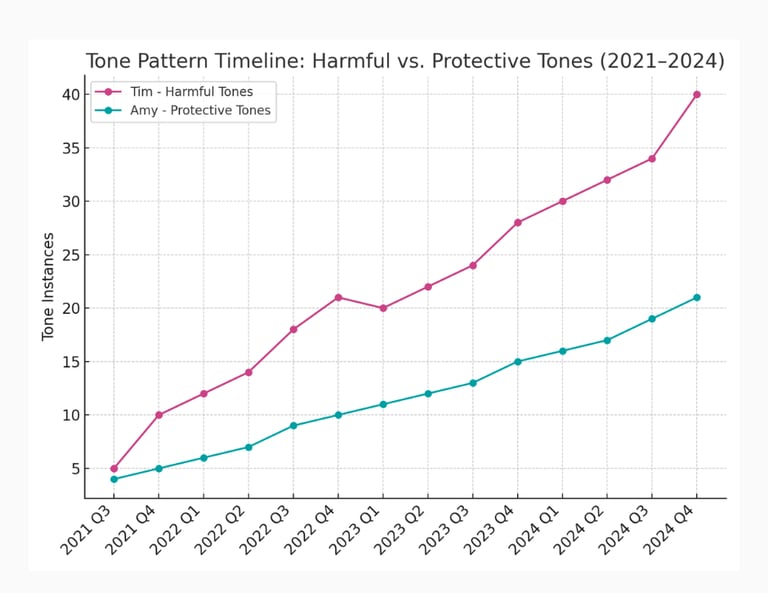
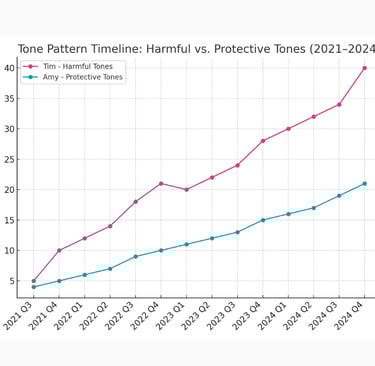
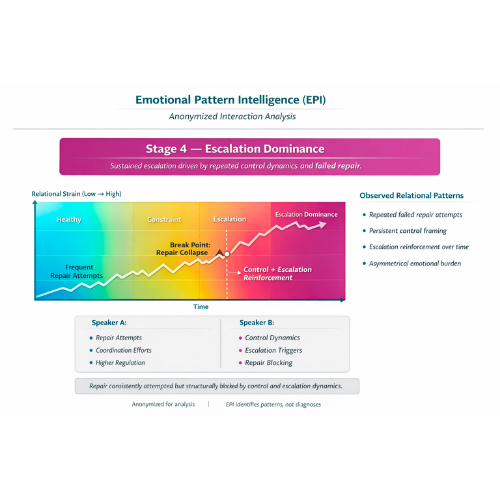
Trajectory often becomes visible before outcomes do.
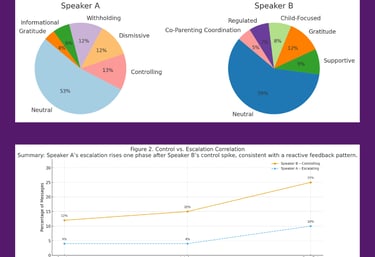
From Conversation to Structured Insight
EPI analyzes communication sequentially and translates patterns into clear, structured outputs.
Outputs include:
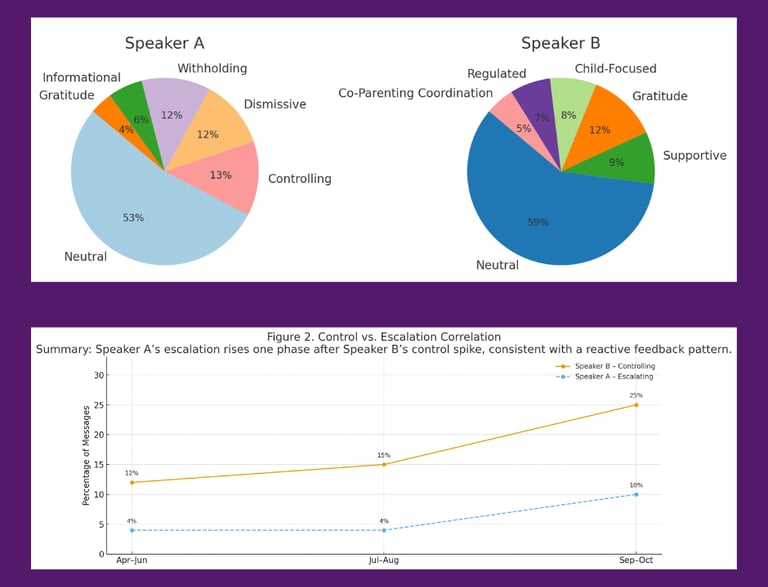
Tone distribution by speaker
Relational pattern indicators
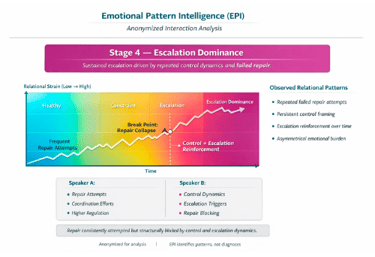
Escalation stage classification
Structured summaries and reports
The next release includes downloadable PDF reports designed for professional use.


What makes this different
Not keyword detection
Not sentiment scoring
Not isolated message analysis
EPI models communication as a system- where meaning emerges through interaction, not individual messages.


Connect
Explore
info@mindfulcommunications.io